
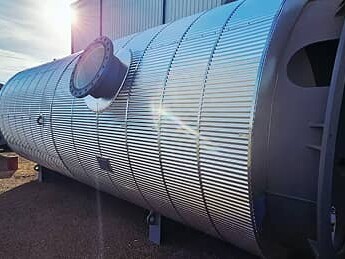
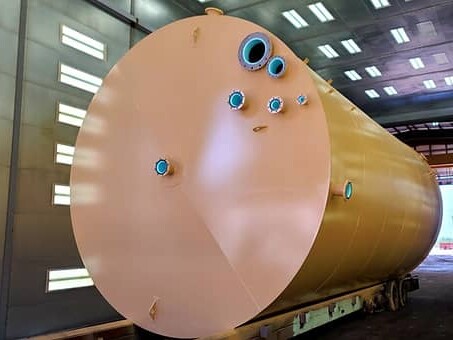
Storage tanks play a critical role in oil and gas operations. Whether they are used for crude oil, produced water, chemicals, or other fluids, these assets must remain safe, reliable, and compliant throughout their service life. Even a minor issue such as corrosion, a leaking nozzle, or a damaged roof can lead to environmental concerns, production downtime, costly repairs, or regulatory violations.
Following a consistent storage tank inspection checklist for oil and gas operators helps identify problems before they become major failures. Routine inspections also extend equipment life, improve workplace safety, and support compliance with industry standards.
In this guide, we will walk through the essential items every operator should include in a storage tank inspection program and explain why partnering with a quality fabrication company makes a difference over the long term.
Why Storage Tank Inspections Matter
Storage tanks operate in demanding environments. Constant exposure to changing temperatures, moisture, chemicals, and pressure cycles can gradually affect structural integrity.
Regular inspections help operators:
- Detect corrosion before it compromises the tank
- Identify leaks early
- Maintain environmental compliance
- Reduce unexpected downtime
- Extend the service life of equipment
- Improve worker safety
- Support maintenance planning and budgeting
The Occupational Safety and Health Administration (OSHA) emphasizes the importance of maintaining process equipment to minimize workplace hazards, while the Environmental Protection Agency (EPA) establishes regulations for spill prevention and environmental protection involving oil storage facilities.
Instead of waiting until a failure occurs, proactive inspections allow maintenance teams to schedule repairs during planned outages.
Exterior Tank Inspection Checklist
The first step in any storage tank inspection checklist for oil and gas operators is a thorough exterior inspection.
Inspectors should examine the entire outside of the tank for visible signs of deterioration.
Foundation
The foundation supports the entire weight of the storage tank.
Look for:
- Settlement
- Cracks
- Soil erosion
- Uneven support
- Water accumulation around the base
Foundation movement can place stress on the tank shell and welds over time.
Tank Shell
Inspect the shell for:
- Corrosion
- Rust
- Bulging
- Dents
- Mechanical damage
- Coating failures
- Surface pitting
Even small areas of corrosion should be documented and monitored during future inspections.
Roof
The roof protects stored materials from contamination while preventing water intrusion.
Check for:
- Standing water
- Damaged roof plates
- Loose fasteners
- Corrosion
- Roof deformation
- Missing sealant
Floating roofs should also be inspected for seal condition and proper operation.
Nozzles and Connections
Inspect every nozzle, flange, and connection for:
- Leaks
- Loose bolts
- Corrosion
- Damaged gaskets
- Weld cracking
Connections often experience vibration and thermal expansion, making them common locations for maintenance issues.
Interior Storage Tank Inspection Checklist
Interior inspections typically require the tank to be taken out of service. Although more involved, they provide valuable information about the overall condition of the vessel.
During internal inspections, evaluate:
Tank Floor
The floor is often the first component to experience corrosion.
Inspect for:
- Pitting
- General corrosion
- Weld deterioration
- Product buildup
- Water accumulation
- Floor distortion
Floor inspections commonly use ultrasonic thickness testing to measure remaining material.
Internal Coatings
Protective coatings reduce corrosion and extend service life.
Look for:
- Blistering
- Peeling
- Cracking
- Delamination
- Discoloration
Damaged coatings should be repaired before corrosion progresses.
Internal Welds
Inspect all weld seams for:
- Cracks
- Porosity
- Corrosion
- Mechanical damage
High quality welds are essential for maintaining structural integrity throughout the tank’s lifespan.
Mechanical Components to Inspect
Storage tanks include numerous mechanical components that require regular inspection.
Evaluate:
- Pressure relief valves
- Vent systems
- Level indicators
- Gauges
- Access hatches
- Ladders
- Platforms
- Handrails
- Mixer systems
- Internal piping
Mechanical equipment should operate smoothly without excessive wear or leakage.
Leak Detection
One of the most important objectives of any storage tank inspection checklist for oil and gas operators is identifying leaks before they become environmental incidents.
Inspect for:
- Wet spots
- Product stains
- Dripping valves
- Leaking flanges
- Damaged seals
- Product odors
- Soil contamination
Even slow leaks should be addressed immediately to prevent larger failures.
Corrosion Monitoring
Corrosion remains one of the leading causes of storage tank failures.
A comprehensive corrosion program should include:
- Visual inspections
- Ultrasonic thickness testing
- Coating evaluations
- Cathodic protection inspections when applicable
- Corrosion rate tracking
- Maintenance documentation
Trending corrosion data over time helps operators predict maintenance needs before significant deterioration occurs.
Safety Equipment Inspection
Worker safety should always be included in a storage tank inspection program.
Inspect:
- Emergency vents
- Fire protection systems
- Grounding systems
- Lightning protection
- Safety signage
- Fall protection equipment
- Emergency shutoff systems
Safety systems should be tested according to facility procedures and manufacturer recommendations.
Documentation and Recordkeeping
A storage tank inspection is only valuable if findings are properly documented.
Maintain records of:
- Inspection dates
- Inspector names
- Tank identification
- Photographs
- Thickness measurements
- Corrosion locations
- Repairs completed
- Recommended corrective actions
- Future inspection schedules
Detailed records allow maintenance teams to identify trends and demonstrate compliance during audits.
Common Issues Found During Storage Tank Inspections
Many inspections uncover recurring issues that develop gradually over years of operation.
Some of the most common include:
- External corrosion
- Floor corrosion
- Roof leaks
- Coating failures
- Foundation settlement
- Weld cracking
- Leaking nozzles
- Damaged vents
- Loose hardware
- Product contamination
Addressing these concerns early can significantly reduce repair costs.
The Value of Quality Fabrication
While inspections help identify developing issues, long term reliability starts with quality fabrication.
Properly fabricated storage tanks are built using high quality materials, qualified weld procedures, and thorough quality control processes. Precision fabrication helps reduce premature failures and provides operators with equipment designed to withstand demanding field conditions.
At Smith Industries, every storage tank is manufactured with an emphasis on craftsmanship, quality assurance, and long term performance. Careful material selection, experienced welding professionals, and rigorous inspections throughout fabrication help ensure each tank is built to meet customer requirements and applicable industry standards.
When quality is built into the equipment from the beginning, operators often experience lower maintenance costs, longer service life, and greater operational reliability.
Final Thoughts
Following a comprehensive storage tank inspection checklist for oil and gas operators is one of the most effective ways to improve equipment reliability, reduce downtime, and protect employees and the environment.
Routine inspections should evaluate the tank foundation, shell, roof, floor, coatings, welds, mechanical components, safety systems, and leak detection points. Thorough documentation and proactive maintenance allow operators to address issues before they become costly failures.
Just as important as regular inspections is selecting equipment that is built for long term performance. High quality fabrication provides a stronger foundation for safe operation throughout the life of the asset.
Whether you are installing new storage tanks or replacing aging equipment, partnering with an experienced fabrication company helps ensure your investment delivers dependable performance for years to come.